Artificial Intelligence
alphapulldown
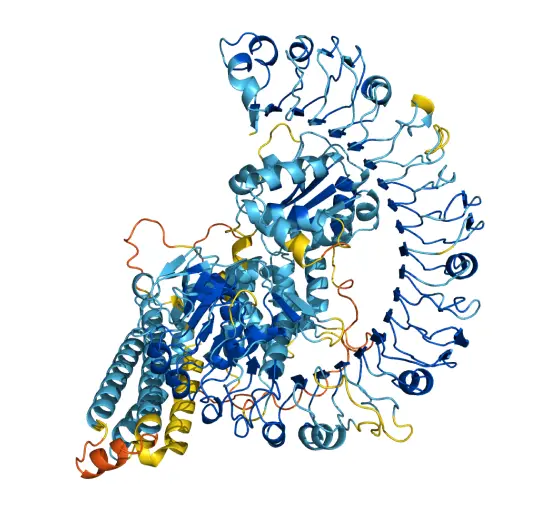
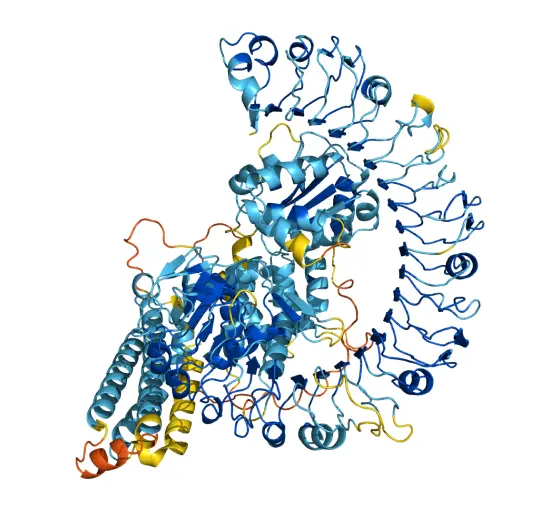
alphapulldown is a Python package that streamlines protein-protein interaction screens and high-throughput modelling of higher-order oligomers using AlphaFold-Multimer
diann
diann - a universal software suite for data-independent acquisition (DIA) proteomics data processing. Conceived at the University of Cambridge, UK, in the laboratory of Kathryn Lilley (Cambridge Centre for Proteomics), DIA-NN opened a new chapter in proteomics, introducing a number of algorithms which enabled reliable, robust and quantitatively accurate large-scale experiments using high-throughput methods
flower
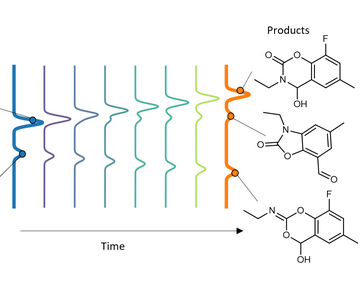
FlowER uses flow matching to model chemical reaction as a process of electron redistribution, conceptually aligns with arrow-pushing formalisms. It aims to capture the probabilistic nature of reactions with mass conservation where multiple outcomes are reached through branching mechanistic networks evolving in time.


pocketxmol
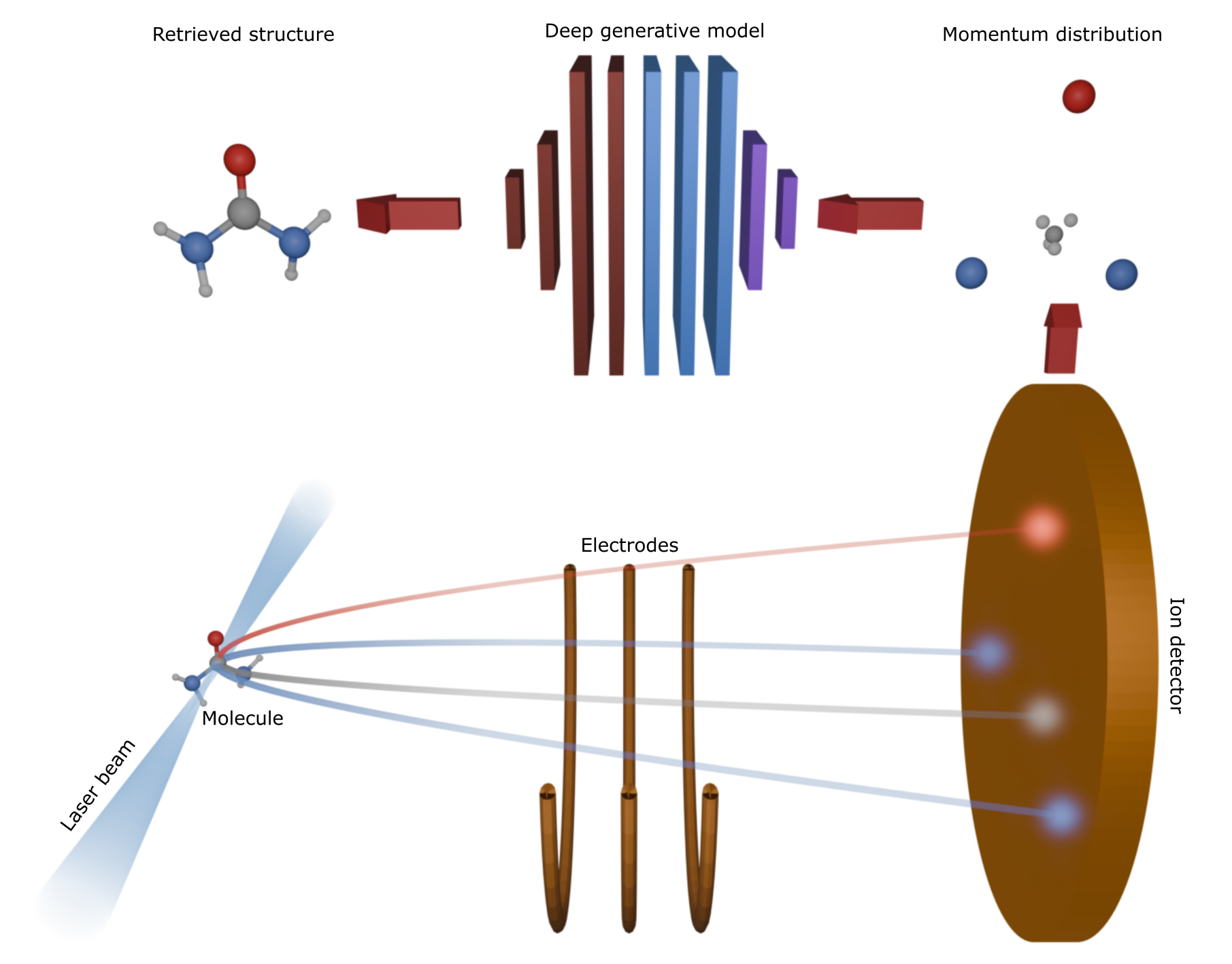
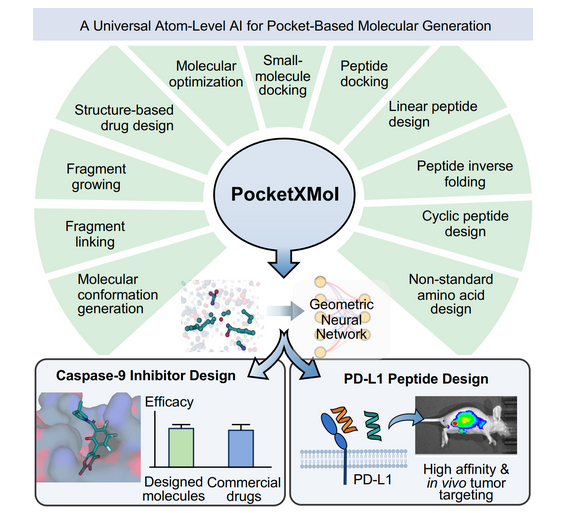
pocketxmol is an AI generative model that learns fundamental atom interactions, enabling applications governed by atom interactions within a pocket, including, small-molecule docking, peptide docking, and molecular conformation generation, structure-based drug design (SBDD), fragment linking/growing, PROTAC design, de novo linear/cyclic peptide design, and peptide inverse folding.


rosettafold
rosettafolds three-track network produces structure predictions with accuracy approaching those of DeepMind in CASP14, enables the rapid solution of challenging x-ray crystallography and cryo–electron microscopy structure modeling problems, and provides insights into the functions of proteins of currently unknown structure.
scikit-image
scikit-image aims to be the reference library for scientific image analysis in Python.
scikit-learn
scikit-learn is a simple and efficient tools for data mining and data analysis

tensorflow
tensorflow™ is an open source software library for numerical computation using data flow graphs. Nodes in the graph represent mathematical operations, while the graph edges represent the multidimensional data arrays (tensors) communicated between them.